This tour is renowned for its captivating blend of stunning natural landscapes, Inca architecture at Tipón, and pre-Inca Wari architecture at Pikillacta. You’ll explore Andahuaylillas and its splendid chapel, often referred to as the “Sistine Chapel of America.” Don’t miss the chance to savor the exquisite cuisine of Saylla and Huasao. Join us for an unforgettable and complete experience!
We will pick you up at your hotel between 8:30 and 8:45 a.m. to start our tour to the Southern Valley of Cusco. This journey will allow you to explore stunning natural landscapes while discovering Inca and pre-Inca architecture at iconic sites.
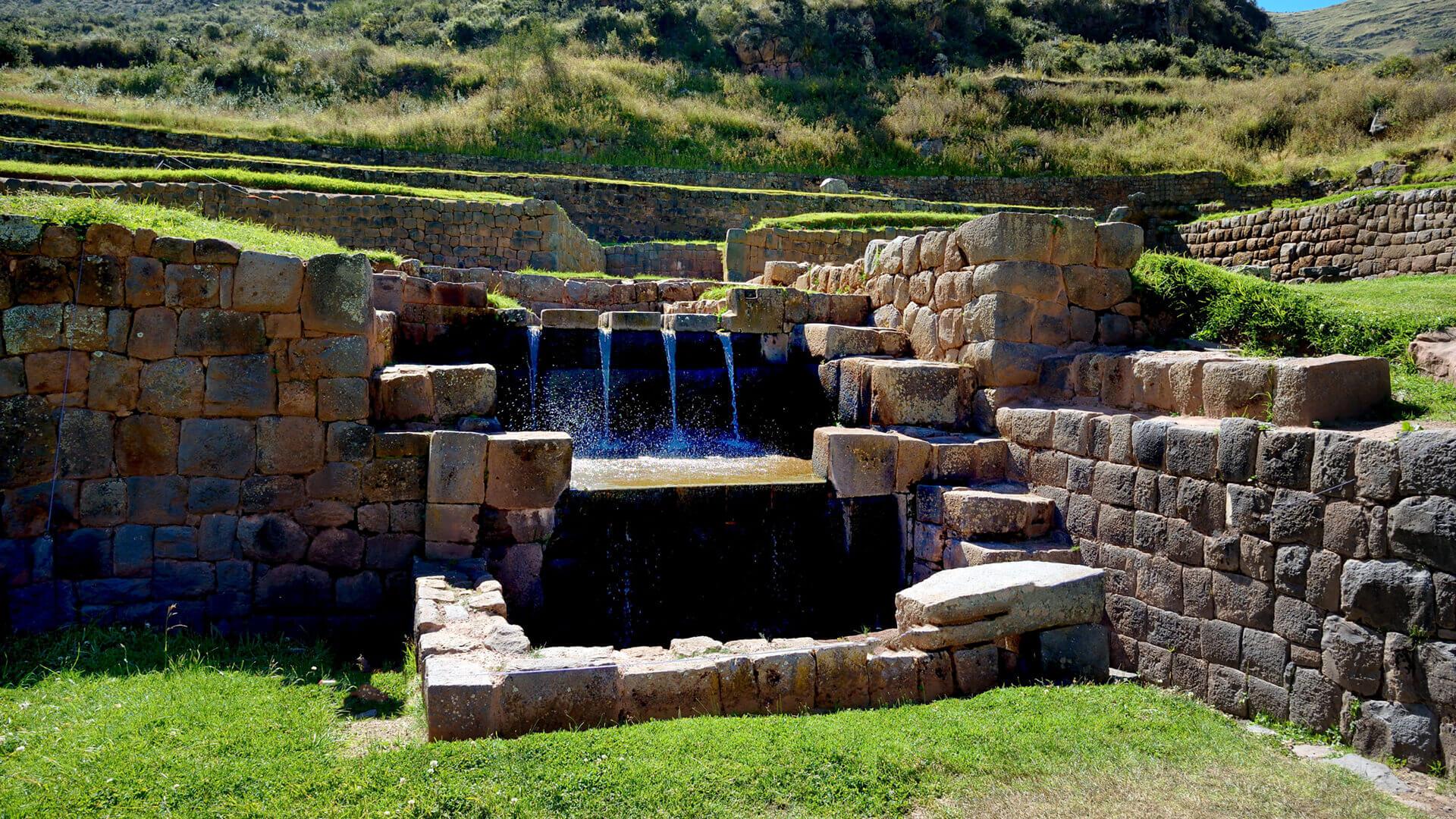
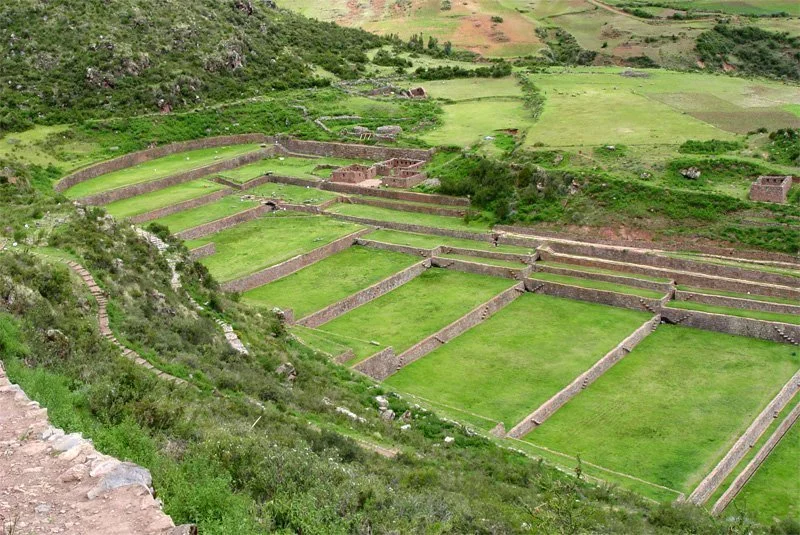
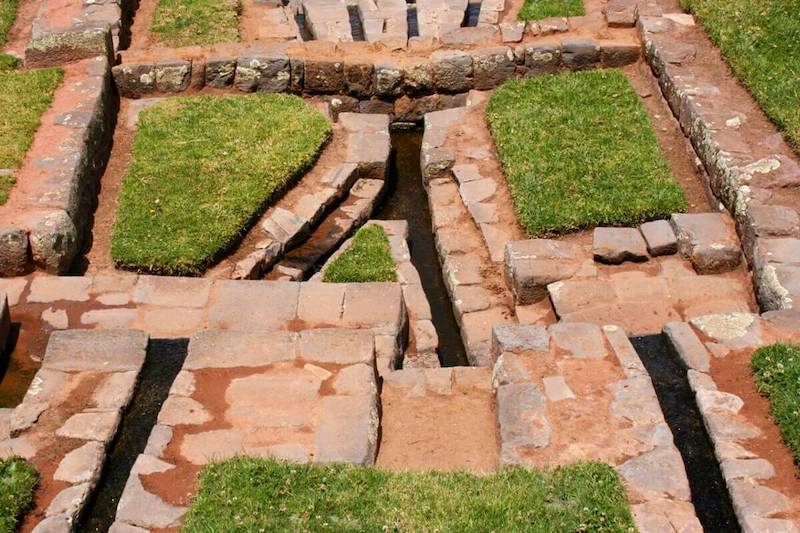
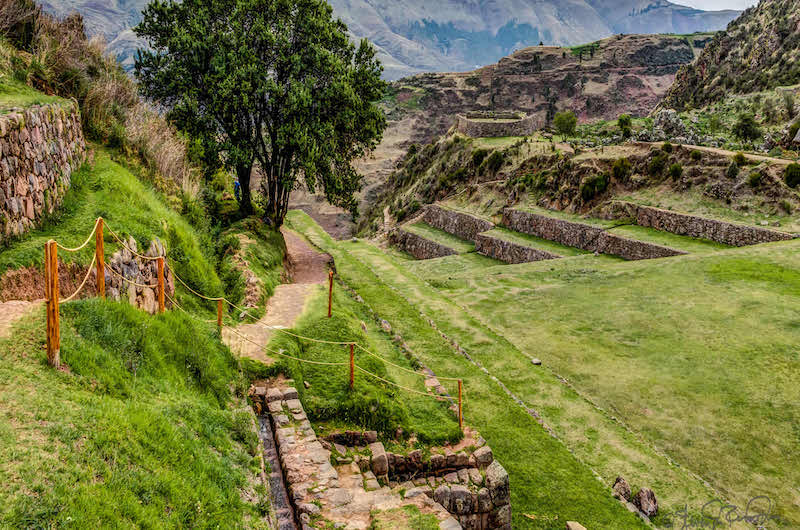
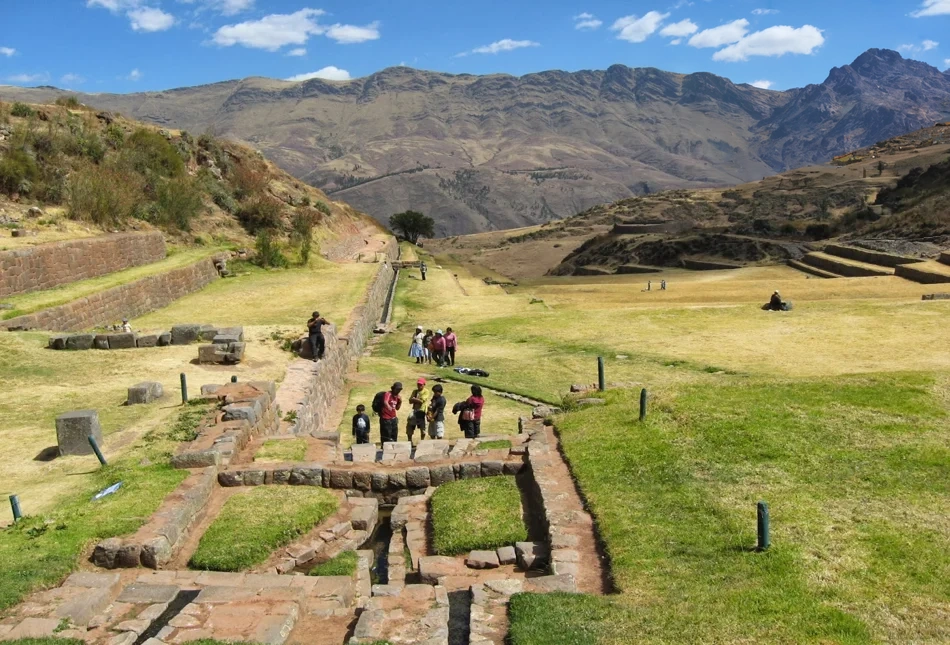
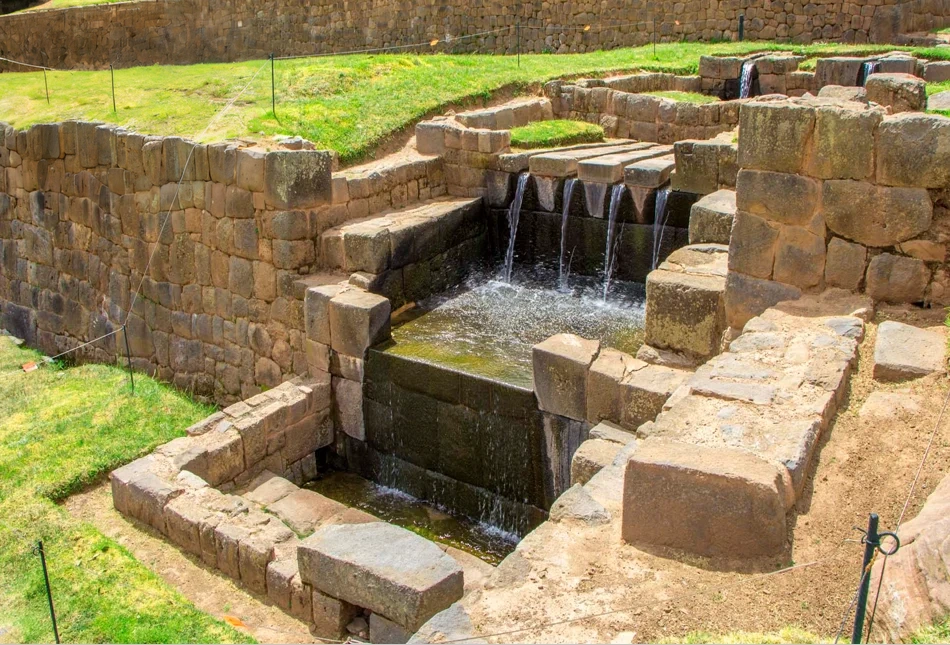
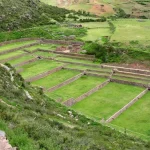
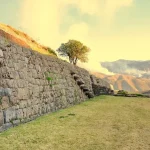
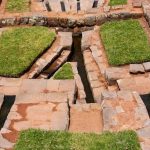
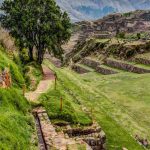
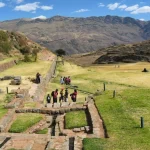
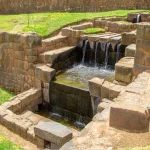
We will begin our excursion heading towards Tipón, located about an hour from Cusco. This archaeological complex, dedicated to the worship of water, will immerse you in Andean cosmology and help you understand the importance of this element for the Incas. We will enjoy a guided tour of approximately 45 minutes to appreciate the fountains and aqueducts that make up this fascinating place.
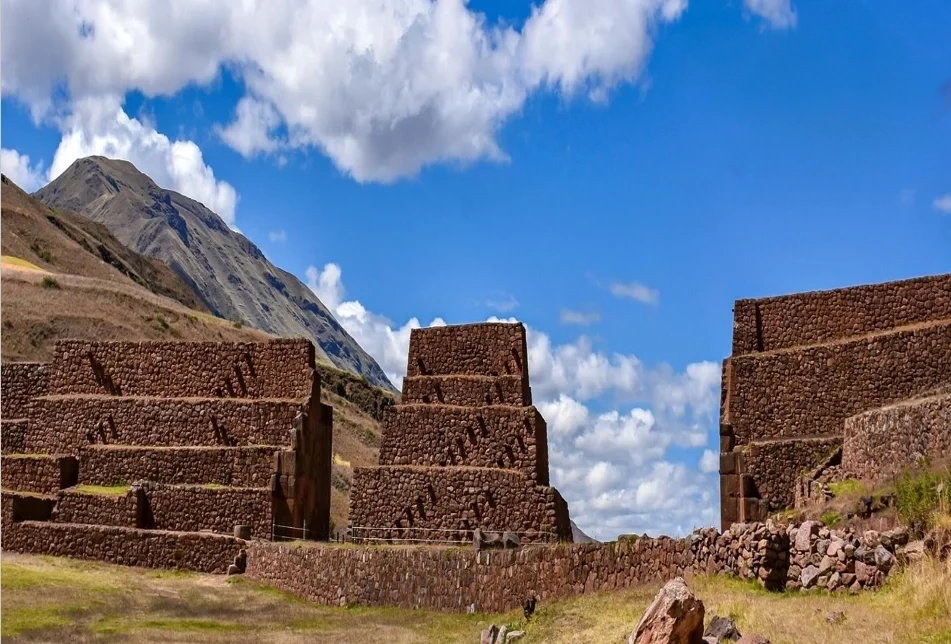
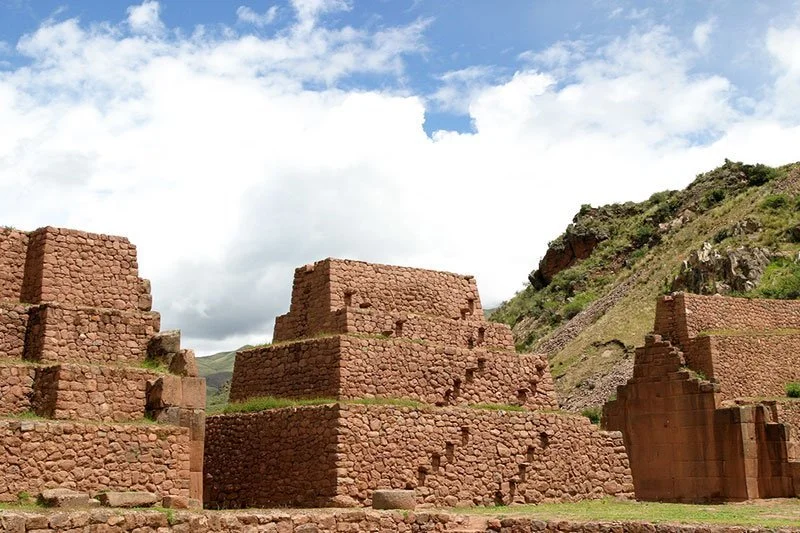
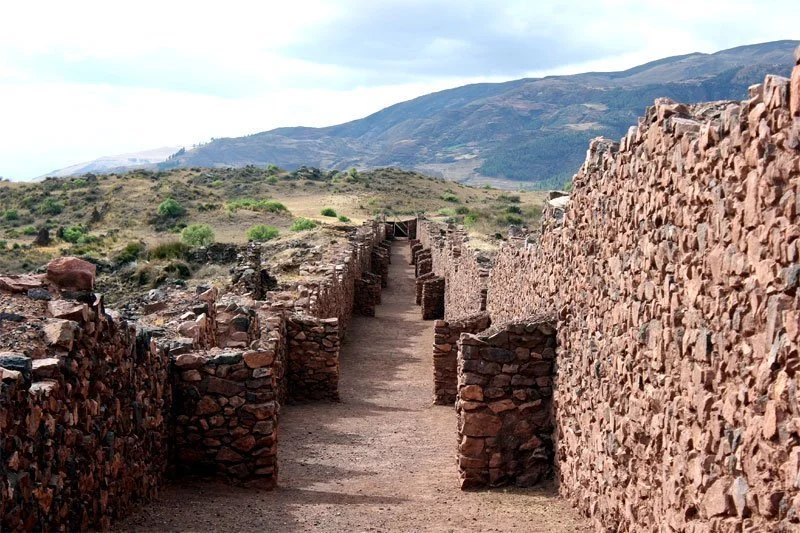
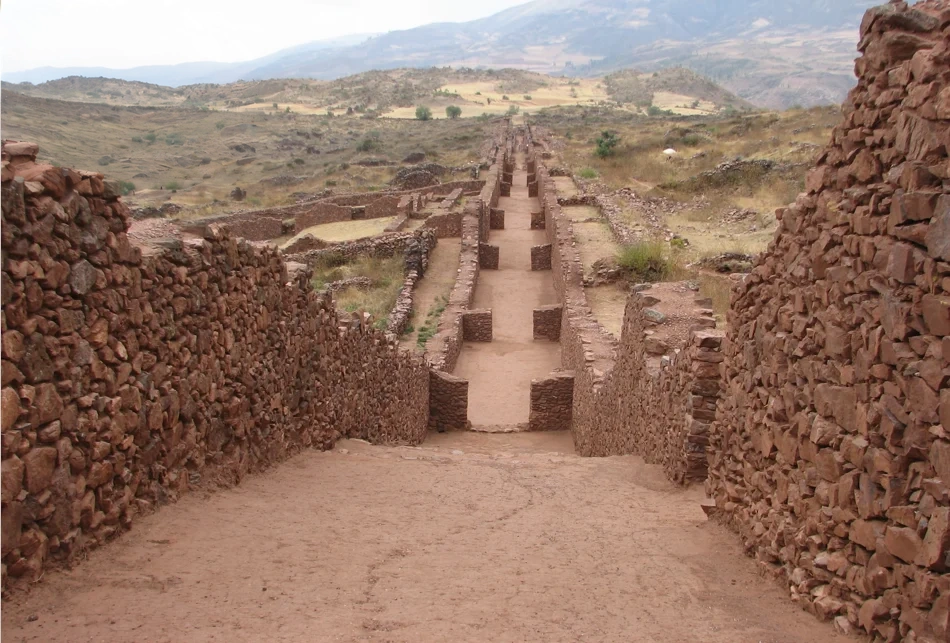
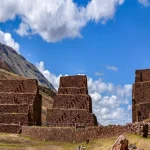
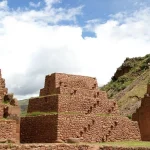
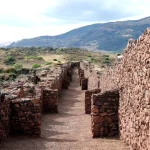
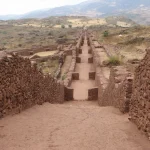
Next, we will continue to Pikillacta, an archaeological site of the Wari culture dating from the 15th to 18th centuries. Here, we will observe the use of stucco on its ancient walls, and our guide will share information about the design and purpose of this impressive pre-Inca city. We will spend around 45 to 50 minutes in Pikillacta.
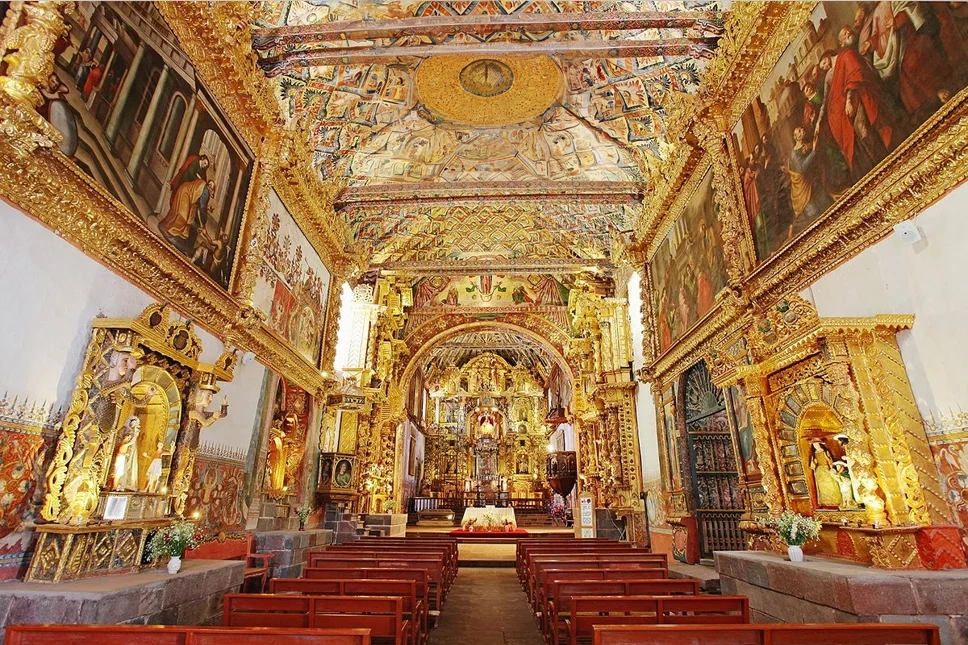
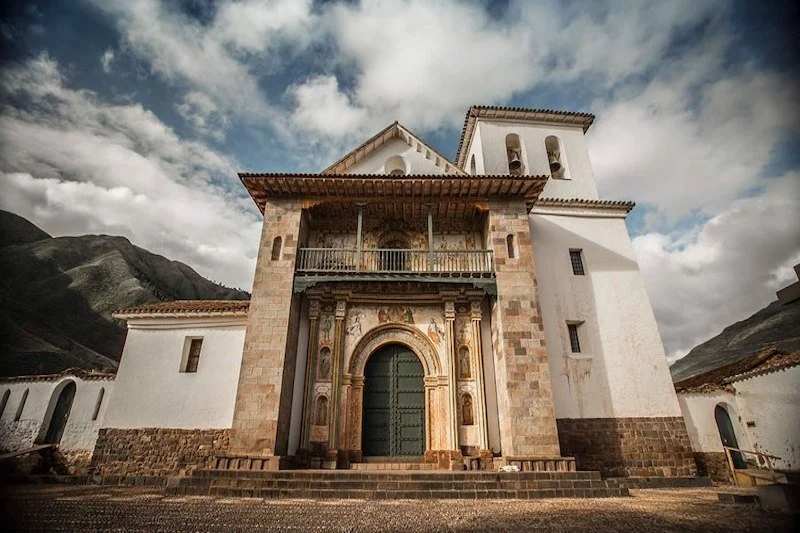
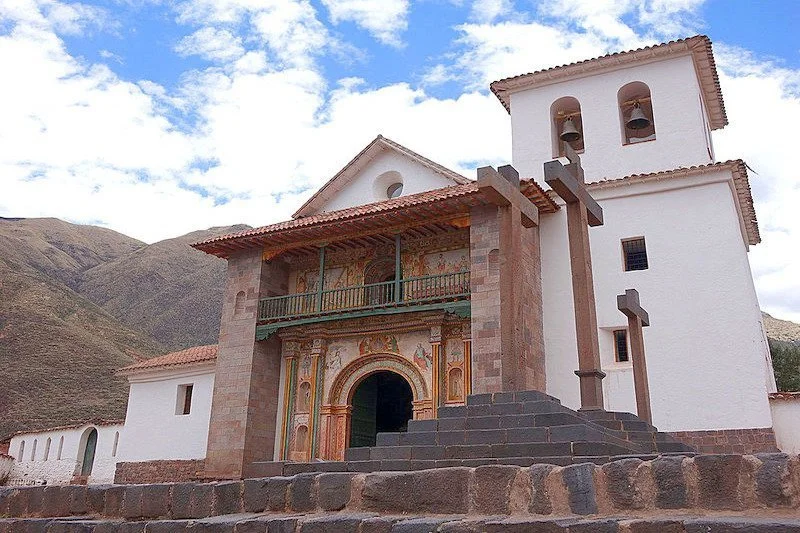
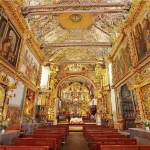
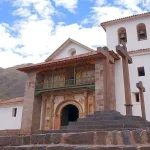
Our final stop will be Andahuaylillas, a peaceful village where we will visit the famous Sistine Chapel of America, an architectural gem from the 17th century. This temple is renowned for its magnificent frescoes and murals that cover its walls and ceiling, representing the fusion of Andean and Spanish cultures.
At the end of our visit, we will make a brief stop in Saylla, where you will have about 30 minutes to relax and grab a bite. After that, we will return to Cusco, dropping off our passengers near the Plaza de Armas approximately six hours and 30 minutes after the start of the tour, around 3:30 p.m.
This tour requires a General Tourist Ticket or a Partial Tourist Ticket. For more information about Tourist Tickets, see the ‘Recommended to Bring’ tab.
If you plan to visit most of the major tourist sites in Cusco during your stay, we recommend purchasing the General Tourist Ticket to save on entrance fees and simplify your trip.
To purchase your Tourist Ticket as well as the entrance to the Sistine Chapel of Andahuaylillas, you will need to bring Peruvian soles
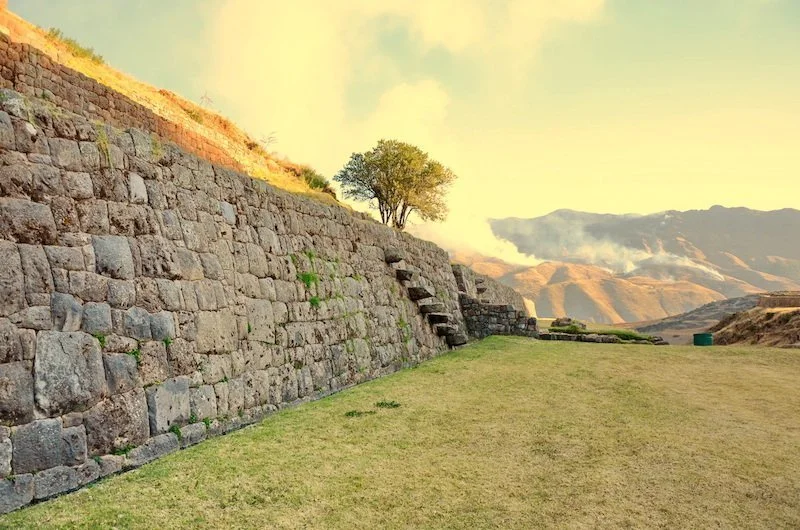
Like many important Inca sites, Tipón was inhabited by human groups and cultures preceding the Incas, including the Ayamarcas and the Waris.
Chronicles indicate that Tipón was the residence of the ruler Yahuar Huacac. His son and successor to the throne, Huiracocha, built the main canals and walls of the complex during the 15th century.
During the Spanish invasion in the 16th century, the structures of Tipón were not destroyed, allowing much of its original form to be preserved.
After more than 600 years, the water channels of Tipón still flow precisely and constantly. For this reason, American engineer Kenneth Wright called it a “Wonder of Civil Engineering.”
Today, Tipón is one of the most visited archaeological sites in Cusco. It is an integral part of the “Southern Valley” tour, which also includes Piquillacta and the church of Andahuaylillas.
The archaeological complex of Piquillacta (in Quechua: Pikillaqta, meaning “town of fleas”) comprises the remains of a pre-Hispanic city of ancient Peru. Located in the Lucre district, Quispicanchi province, Cusco department, it is about 30 km southeast of the city of Cusco, at an altitude of 3,250 meters above sea level. It occupies an approximate area of 50 hectares.
It served as a significant administrative and religious center for the Wari culture between the 6th and 9th centuries A.D., exemplifying distinctive Wari urban planning. Some experts suggest that its influence may have continued during the Inca era, although there is no evidence to support this.
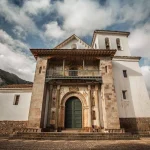
Andahuaylillas is a small town in the province of Quispicanchi, about 45 kilometers from the city of Cusco. Despite insufficiently studied remains, it seems to have held Inca importance. Situated near the Vilcanota River, its fertile landscape attracted prominent settlers during the colonial era. The preserved mansions are testimonies to this history. The town’s development stagnated, and its name in Quechua (“copper meadow”) adopted a diminutive Spanish form due to a larger homonymous town, Andahuaylas in Apurímac.
Today, Andahuaylillas is a hospitable community of around 5,000 inhabitants. Its wide main square, adorned with ancient pisonay trees, welcomes travelers. The church, still beautiful on the outside, stands on a platform accessible by steps. Like many Andean churches, it features an open chapel shaped like a balcony, guarded by a solid bell tower. Three stone crosses rise from the atrium. It is believed that the church was built over a pre-Hispanic structure, possibly a huaca, evidenced by Inca walls inside.


With Paypal we accept all debit & credit cards.
A 7% transaction fee applies.
Do not hesitate to give us a call. We are an expert team and we are happy to talk to you.
+51 957 717 172
info@intrandesperutours.com